This content was aggregated from local dealer data and insights provided by the USA Today Network Automotive Insights team using Google Gemini and the Vehicles for Sale Near Milwaukee marketplace writing team.
For Milwaukee families considering a three-row SUV, hybrid technology can offer an appealing combination of passenger space, everyday versatility, and fuel efficiency. However, understanding the maintenance requirements is an important part of evaluating long-term ownership costs.
The 2027 Kia Telluride Hybrid combines gasoline and electric power, meaning owners should consider both conventional vehicle maintenance and hybrid-specific service requirements.
While hybrid technology may change certain wear patterns and operating costs, it does not eliminate routine maintenance. Before purchasing a new Kia Telluride, buyers should understand what regular service involves, which hybrid components may require inspection, and how Wisconsin driving conditions can influence upkeep.
Hybrid SUVs still rely on many of the same mechanical components found in conventional gasoline-powered vehicles.
Routine maintenance generally includes engine oil and filter changes, tire rotations, brake inspections, fluid checks, and air filter replacement according to the manufacturer's maintenance schedule.
However, hybrid technology introduces additional systems that may require specialized attention.
High-voltage battery: The battery supports electric motor operation and energy storage. Qualified technicians may evaluate battery-related diagnostic information when required by the maintenance schedule or when warning messages appear.
Hybrid cooling systems: Depending on vehicle design, dedicated cooling components may help regulate battery and power electronics temperatures. Buyers should confirm applicable inspection and fluid replacement requirements.
Electric motor and power electronics: These components work alongside the gasoline engine and may require specialized diagnostic equipment when concerns arise.
Regenerative braking: Hybrid vehicles can recover energy during deceleration, potentially reducing conventional brake wear. However, brake components still require regular inspections.
Electrical connections: Hybrid-system wiring and high-voltage components should only be serviced by appropriately trained technicians.
A comprehensive 2027 Kia Telluride Hybrid maintenance plan should follow Kia's official model-specific service schedule rather than assumptions based on conventional Telluride models or other hybrid SUVs.
The Kia Telluride is a three-row SUV designed around family transportation, passenger comfort, and everyday practicality.
When evaluating the hybrid configuration, several features deserve particular attention.
Hybrid powertrain: Combining gasoline and electric power may help improve fuel efficiency under certain driving conditions. Buyers should confirm the official 2027 powertrain specifications and fuel-economy ratings.
Regenerative braking technology: Energy recovery during deceleration can support hybrid efficiency and influence conventional brake wear.
Drivetrain configuration: Available drivetrain options may affect fuel consumption, traction, and maintenance requirements. Confirm the equipment offered on the selected trim.
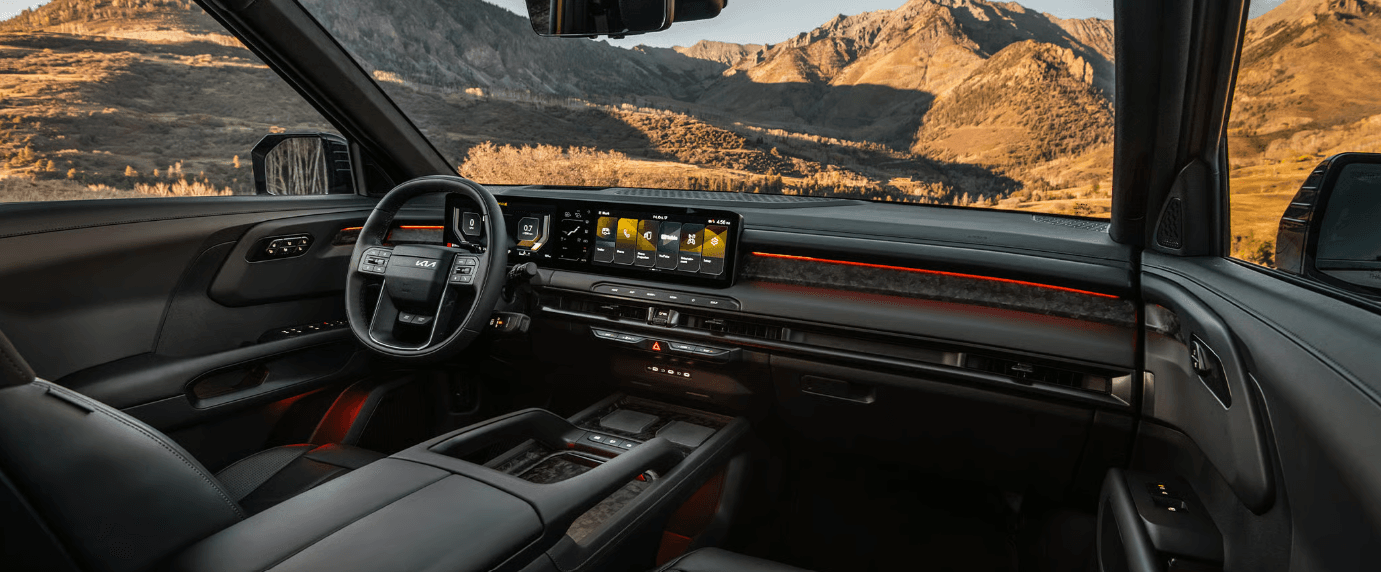
Three-row seating: A spacious passenger layout can accommodate family transportation, school trips, and longer journeys.
Climate-control systems: Cabin heating and cooling contribute to passenger comfort but can also influence hybrid energy consumption.
Driver-assistance technology: Available cameras, sensors, and highway-oriented assistance features may improve convenience during daily travel.
For Milwaukee buyers, the value of these features depends on how frequently they are used and whether the vehicle's operating costs fit the household budget.
Fuel savings are only one part of hybrid SUV ownership. Routine service, insurance, tires, and potential long-term repairs should also be considered.
Maintenance area | Hybrid ownership consideration | What to verify |
Engine oil and filter | Gasoline engine still requires routine service | Recommended oil and service intervals |
High-voltage battery | Specialized diagnostics may be necessary | Battery warranty and inspection guidance |
Hybrid cooling system | Additional cooling components may require service | Approved fluids and maintenance schedule |
Braking system | Regenerative braking may reduce friction-brake wear | Brake inspection requirements |
Tires | Replacement costs depend on size and specifications | Tire pricing and rotation intervals |
Electrical systems | Hybrid-specific repairs may require trained technicians | Qualified service availability |
Drivetrain components | Service needs may vary by configuration | Manufacturer-recommended maintenance |
Hybrid battery replacement should not automatically be treated as a scheduled maintenance expense.
Battery condition depends on factors such as age, operating conditions, vehicle design, and component health.
Buyers should review the Kia Telluride Hybrid battery warranty carefully, including coverage duration, mileage limits, exclusions, and applicable conditions.
It is also worth requesting estimates for routine Kia Telluride Hybrid service and comparing them with maintenance expenses for a conventional gasoline-powered SUV.
A realistic ownership budget should include financing, fuel, insurance, registration, scheduled maintenance, and potential repairs outside warranty coverage.
Milwaukee-area drivers encounter a mixture of city traffic, suburban commuting, highway travel, and changing seasonal conditions.
Families traveling along I-43, I-94, and I-41 may experience both sustained highway speeds and stop-and-go traffic.
Hybrid efficiency can vary considerably between these driving environments.
Wisconsin winters introduce additional considerations. Cold temperatures may increase gasoline-engine operation, particularly when cabin heating and powertrain warm-up are required.
Frequent short trips may also influence fuel consumption and conventional engine maintenance needs.
Road salt, snow, and moisture make underbody inspections, brake maintenance, and regular vehicle cleaning important.
Drivers traveling between Milwaukee, Grafton, Port Washington, and Sheboygan should consider how their annual mileage and seasonal driving habits align with Kia's maintenance recommendations.
During a test drive, evaluate acceleration, braking smoothness, cabin comfort, and transitions between gasoline and electric power.
Ask how the vehicle communicates maintenance reminders and hybrid-system warnings.
Understanding these displays can help owners distinguish routine service notifications from issues requiring professional attention.
1. Does the 2027 Kia Telluride Hybrid require more maintenance than a gasoline Telluride?
Not necessarily. Hybrid vehicles introduce additional electrical and cooling components, but regenerative braking may reduce conventional brake wear. Overall maintenance requirements depend on the vehicle's design and official service schedule. Buyers should compare the 2027 hybrid and gasoline configurations using Kia's published maintenance documentation.
2. How often does the Kia Telluride Hybrid battery need to be checked?
Battery inspection and diagnostic requirements depend on Kia's official maintenance recommendations and the vehicle's operating condition. A hybrid battery does not necessarily require a dedicated health test at every routine service appointment. Owners should follow the manufacturer's guidance and have hybrid-system warning messages evaluated by a qualified technician.
3. Does a Kia Telluride Hybrid still need oil changes?
Yes. A conventional hybrid includes a gasoline engine that requires routine oil and filter replacement. Electric motor assistance does not eliminate engine lubrication requirements. Owners should follow the specified oil grade, maintenance intervals, and any applicable severe-service recommendations for the 2027 model.
4. Does Wisconsin winter weather affect hybrid maintenance needs?
Cold temperatures, frequent short trips, road salt, and changing road conditions can influence vehicle operation and maintenance needs. Hybrid fuel efficiency may also decrease during colder months. Milwaukee drivers should pay attention to tire pressure, battery performance, fluid condition, and brake inspections while following Kia's recommended seasonal and routine maintenance guidance.
5. What should Milwaukee buyers ask before purchasing a 2027 Kia Telluride Hybrid?
Request the official maintenance schedule, hybrid battery warranty details, recommended fluids, and information about hybrid-system inspection requirements. Ask about routine service costs, qualified hybrid technicians, and any maintenance differences between gasoline and hybrid configurations. Confirm whether specific driving habits qualify for severe-service maintenance recommendations.
The 2027 Kia Telluride Hybrid may appeal to Milwaukee families seeking a three-row SUV that balances passenger comfort, fuel efficiency, and everyday versatility.
Understanding routine maintenance and hybrid-system inspection requirements before purchasing can help buyers develop a more realistic long-term ownership budget.
If you are searching for a Kia Telluride for sale near you, explore 2027 Kia Telluride for sale near Milwaukee to compare configurations, powertrain options, and family-focused features.
For dealership information and assistance evaluating Kia hybrid SUVs, visit Van Horn Kia - Sheboygan, located in Sheboygan, Wisconsin, and serving the Milwaukee marketplace.